Mubadala Energy Inks Deal with PGN Energy Indonesia, Strengthening Middle East-Asia Energy Ties
 Layla Al Mansoori
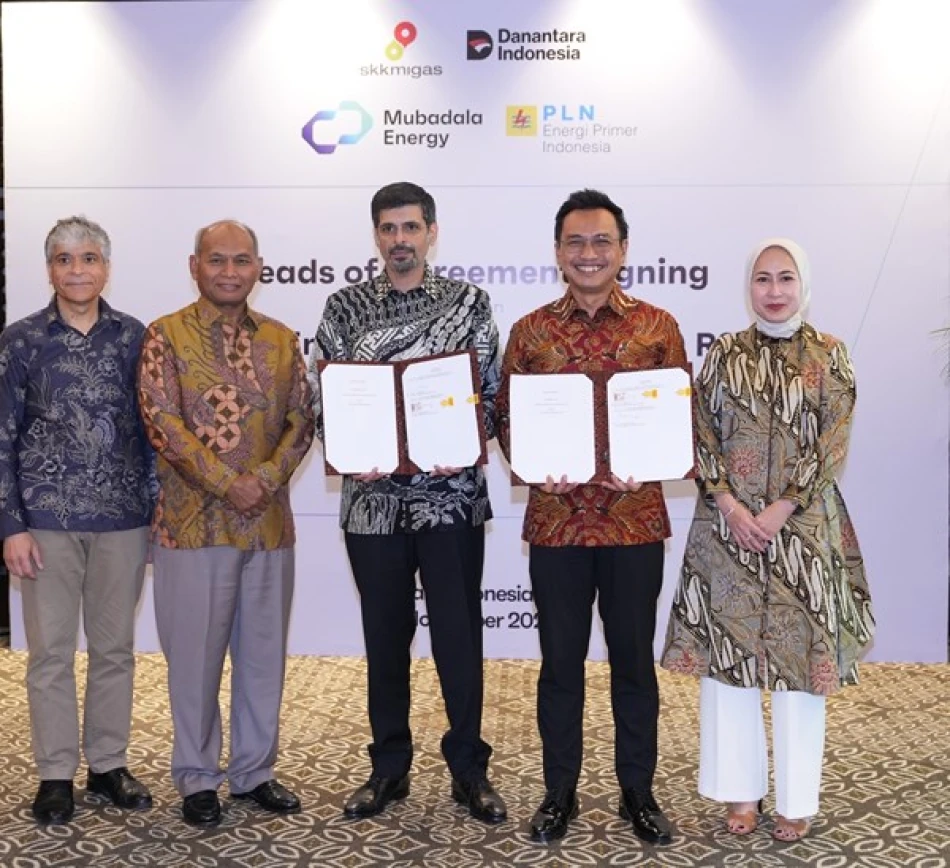
Mubadala Energy and Indonesia's state electricity company PLN Energy Primer Indonesia just signed a preliminary agreement to supply natural gas from Mubadala's offshore fields in the Andaman Sea. This deal could help Indonesia reduce its reliance on imported liquefied natural gas while meeting growing domestic energy demand.
The agreement focuses on the Tangkulo gas field, located about 65 kilometers north of Sumatra's coast. The field holds over 2 trillion cubic feet of gas reserves and will primarily serve North Sumatra and Aceh provinces.
Indonesia has been working to boost its energy security by developing domestic resources instead of relying heavily on imports. The country's electricity demand keeps growing as its economy expands, making deals like this crucial for long-term energy planning.
For energy markets, this partnership shows how national oil companies are increasingly partnering with international players to develop local resources. Indonesia's government has been pushing for more domestic gas production to power its electricity grid and reduce import costs.
What makes this deal significant
The Tangkulo field represents a major untapped resource in Indonesian waters. Abdullah Bou Ali, Mubadala Energy's Indonesia president, said the partnership will provide "reliable and sustainable energy solutions" while strengthening national energy security.
But here's the bigger picture: Indonesia is trying to balance energy security with its transition goals. Natural gas serves as a bridge fuel while the country develops renewable energy capacity. This approach lets Indonesia reduce coal dependence without jumping straight to renewables that aren't ready for baseload power yet.
Rakhmat Diwanto, CEO of PLN Energy Primer Indonesia, emphasized that developing new gas fields supports the country's energy transformation. The deal includes technical and commercial frameworks that will guide future development phases.
The signing ceremony included Djoko Siswanto, head of Indonesia's oil and gas regulatory body, showing government backing for the project. This regulatory support matters because it signals smoother permitting and development processes ahead.
For investors, this partnership highlights Indonesia's commitment to developing its substantial offshore gas reserves. The country sits on significant untapped resources but needs foreign expertise and capital to bring them online efficiently.