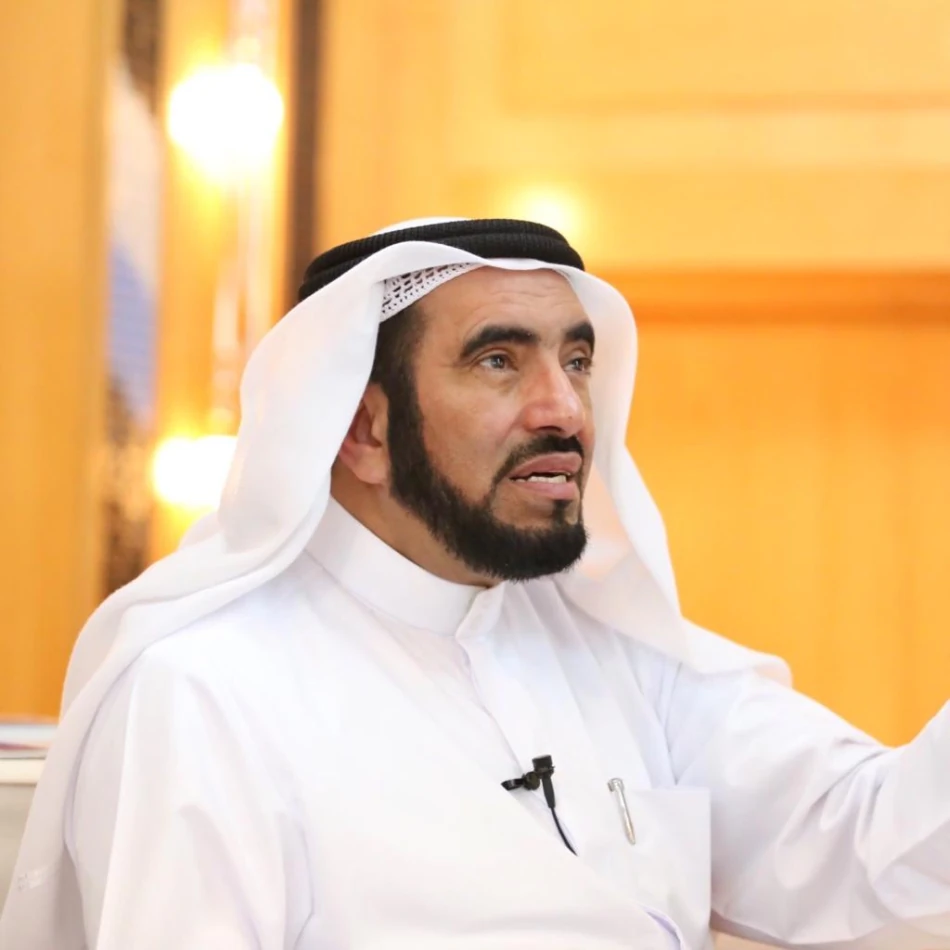
Kuwaiti Ruler Strips Prominent Activist Tarek Al-Suwaidan of Citizenship
 Sara Khaled
Kuwait stripped controversial preacher Tariq Al-Suwaidan of his citizenship on Sunday through an official decree published in the country's official gazette. The move affects not only Al-Suwaidan but also anyone who gained Kuwaiti citizenship through dependency on him, marking another chapter in the Gulf state's ongoing efforts to manage religious discourse within its borders.
The decree, numbered 227 for 2025, contains two key provisions. The first explicitly revokes citizenship from "Tariq Mohammed Al-Saleh Al-Suwaidan and anyone who may have acquired it with him through dependency." The second article tasks Kuwait's First Deputy Prime Minister and Interior Minister with implementing the decision immediately upon publication.
Al-Suwaidan, a Palestinian-born preacher and businessman, has been a polarizing figure in Kuwait for years. He's known for his religious television programs and books, but has faced criticism from authorities over his political commentary and alleged ties to the Muslim Brotherhood. Kuwait, like several other Gulf states, has taken a hard line against the Brotherhood, classifying it as a terrorist organization.
This citizenship revocation fits into Kuwait's broader pattern of using nationality laws to address security concerns. The country has previously stripped citizenship from individuals deemed threats to national security or those whose activities conflict with state policies. For Gulf states, citizenship remains a powerful tool for managing internal dissent and external influence.
The timing is significant. Kuwait has been tightening controls over religious discourse and political commentary, particularly content that authorities view as divisive or threatening to social stability. Al-Suwaidan's case sends a clear message about the boundaries of acceptable public discourse in the emirate.
For Al-Suwaidan's supporters, this represents government overreach against a popular religious figure. But from the state's perspective, it's about maintaining control over narratives that could potentially destabilize the country's delicate social fabric.
The decision becomes effective immediately and affects Al-Suwaidan's legal status, potentially impacting his ability to travel, own property, or conduct business in Kuwait. It also raises questions about the fate of his media enterprises and religious activities in the country.