Japan Bids Farewell to Last Giant Panda as Bilateral Dispute Looms
 Sara Khaled
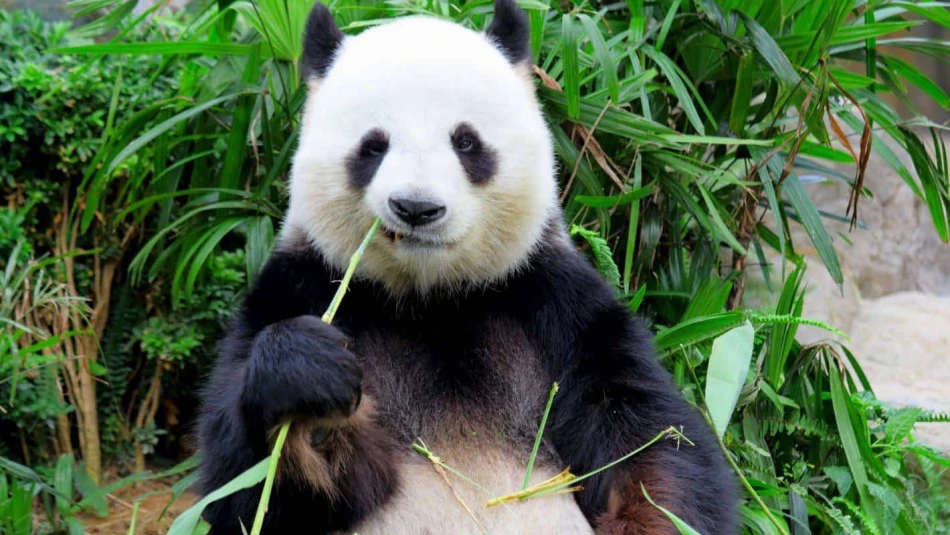
Japan is losing its last two giant pandas as four-year-old Xiao Xiao and Lei Lei head back to China at the end of January, earlier than the original February 20 deadline. Thousands of heartbroken fans flocked to Tokyo's Ueno Zoo on Monday to say goodbye, with many crying as they watched the beloved animals one last time.
The announcement hit hard for a nation that has long adored pandas. While their return to China was always planned, the timing carries deeper meaning as Japan-China relations have grown increasingly strained over geopolitical issues.
The pandas' departure marks the end of an era for Japan. These animals have been more than just zoo attractions - they've served as symbols of friendship between the two countries through decades of diplomatic ups and downs. When pandas first arrived in Japan in the 1970s, they drew massive crowds and became cultural icons.
Panda diplomacy has been a cornerstone of China's soft power strategy for decades. Beijing loans these rare animals to select countries as gestures of goodwill, but also as tools of influence. The loans come with strict conditions and hefty fees, often reaching $1 million per year per panda.
For Japan, losing these pandas comes at a particularly sensitive time. Relations between Tokyo and Beijing have soured over territorial disputes in the East China Sea, Taiwan tensions, and Japan's strengthening military ties with the United States. The early departure of Xiao Xiao and Lei Lei sends a subtle but clear message about the current state of bilateral relations.
The economic impact shouldn't be overlooked either. Pandas are massive tourist draws. Ueno Zoo has seen visitor numbers spike whenever pandas are present, generating millions in revenue for the facility and surrounding businesses. Local vendors selling panda-themed merchandise and nearby restaurants have built entire business models around these animals.
But here's the thing - this might not be permanent. China has used panda diplomacy as both carrot and stick before. If relations improve, new pandas could arrive. If tensions escalate further, Japan might have to wait years before seeing these animals again.
The emotional scenes at Ueno Zoo reflect something deeper than just affection for cute animals. They show how cultural exchanges can create genuine bonds between people, even when their governments are at odds. The tears shed by visitors weren't just for two pandas - they were for what those pandas represented.