Iraqi Judiciary Urges Winning Parties to Form New Government: Navigating Iraq's Political Transition
 Layla Al Mansoori
Iraq's Supreme Judicial Council is pushing political parties to move quickly on forming a new government after recent parliamentary elections. The winning coalition, led by current Prime Minister Mohammed Shia al-Sudani, secured the most seats but faces a complex constitutional timeline that could stretch government formation into 2026.
The Supreme Judicial Council congratulated winning parties on Thursday and urged them to start talks immediately. They want the new legislative and executive branches formed within constitutional deadlines - but those deadlines might be tighter than expected.
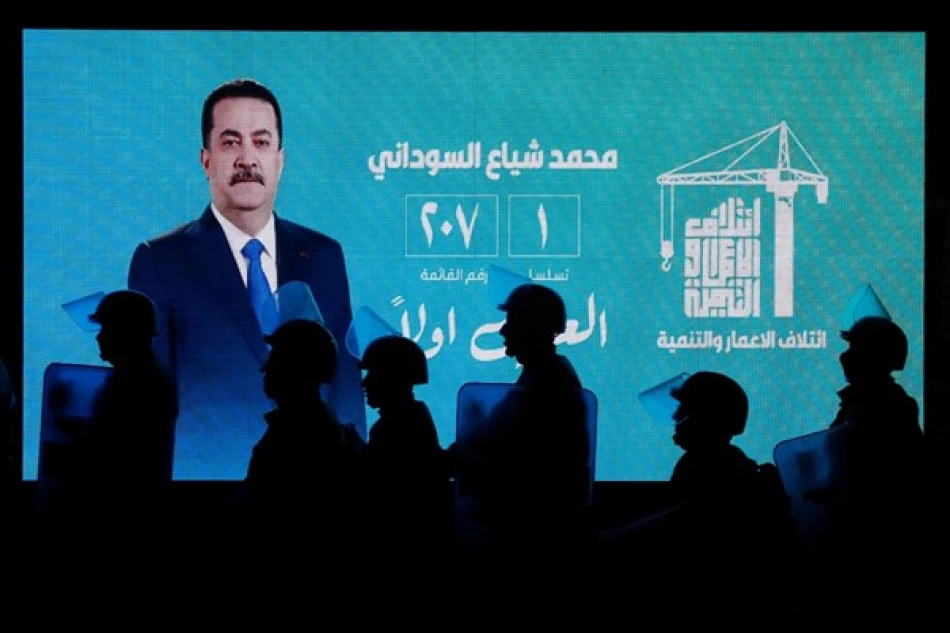
Al-Sudani's "Construction and Development Coalition" won the biggest share of parliament seats with over 1.3 million votes. In his victory speech, he struck a conciliatory tone, saying his coalition is "open to all national forces without exception." He emphasized that electoral competition is over and called for putting national interests first.
But here's where it gets complicated. The constitutional process is lengthy and rigid. After the election commission reviews complaints and finalizes results, they'll ask President Abdul Latif Jamal Rashid to call parliament into session within 15 days. The first session will be led by the oldest member, who'll oversee elections for parliament speaker and deputies.
Then comes a 30-day window to elect a new president. That president will task the largest parliamentary bloc - likely al-Sudani's coalition - with forming a government within 15 days. The designated prime minister then has 30 days to present his cabinet to parliament.
The entire process spans four months under normal circumstances. Previous government formations have often exceeded these deadlines, creating political uncertainty.
Here's the catch: An Iraqi legal expert says the new parliament cannot convene before January 9, 2026, when the current legislative session officially ends. Dr. Meri Kazem, who heads Iraq's law deans committee, told the government newspaper Al-Sabah that constitutional procedures prevent earlier sessions. The Federal Supreme Court must first approve final election results, and it has no binding timeline to do so.
This creates an unusual situation where election winners must wait over a year before taking office. For investors and regional partners, this extended transition period means continued uncertainty about Iraq's policy direction. The delay could affect everything from oil contracts to reconstruction projects that require parliamentary approval.
Al-Sudani's coalition will need to maintain momentum and coalition unity during this extended waiting period. Political alliances that seem solid today might shift significantly by 2026, especially given Iraq's history of fluid political partnerships.
The timeline also raises questions about governance continuity. Iraq faces ongoing challenges including economic reforms, security issues, and relations with neighboring countries. A year-long transition period could complicate decision-making on urgent matters requiring legislative action.