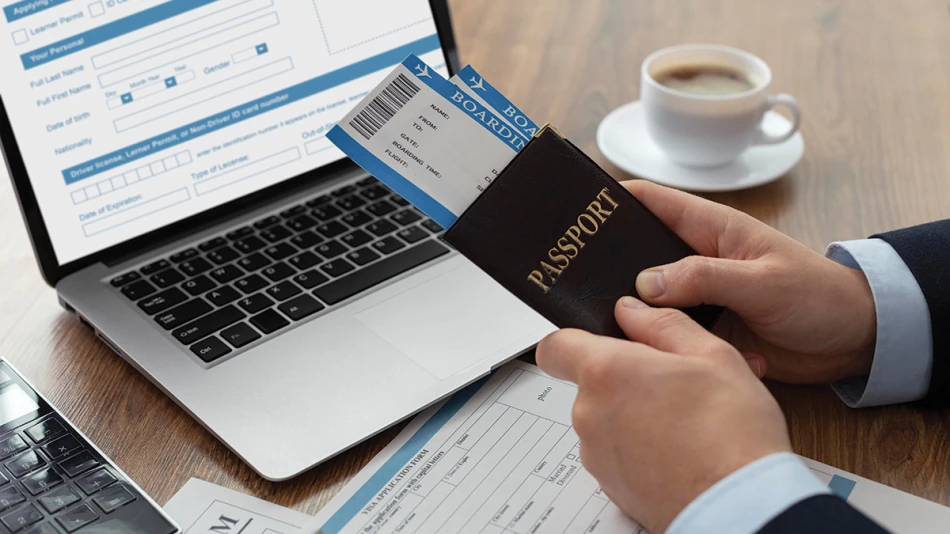
Illicit Schengen Visa Sales Plague Unsuspecting Travelers
 Sara Khaled
Social media scammers across the UAE are targeting desperate travelers with fake promises of early visa appointments for Europe and the US, charging up to 4,000 dirhams before disappearing. Victims report paying thousands to fraudsters who claim special connections with embassy staff, only to discover no appointments were ever booked in their names.
The scam works like this: fake agents post ads on social platforms promising "guaranteed" Schengen visa appointments within days, despite official waiting times stretching four months during peak travel season. They show doctored booking confirmations and demand payment upfront, then vanish once money changes hands.
One victim, identified as M.Kh., desperately needed to travel to Europe last summer. After seeing no available appointments on official embassy websites for months, he spotted a social media ad promising a slot within two days for 3,500 dirhams. The scammer claimed inside connections with visa center staff and could make appointments appear in the system immediately after payment. M.Kh. transferred the money but never received any confirmation - the fraudster had completely disappeared.
Another case involved S.A., who paid 3,000 dirhams after being shown what appeared to be a genuine booking with his name. Days later, when he contacted the visa center directly, staff confirmed no appointments existed under his name.
Monaz Billimoria, regional president of VFS Global - the official agency handling Schengen visa applications - warns these offers are completely fraudulent. "Appointments are available officially and equally for everyone online," she told local media. The company operates on a first-come, first-served basis with no special channels or VIP access.
VFS Global has implemented multiple safeguards against fraud, including bot attack prevention and monitoring systems. But Billimoria stresses that no intermediary can bypass official processes or influence embassy decisions. "We have zero tolerance for unethical practices," she said.
Hussam Fathi Saleh, marketing director at a legitimate immigration services company, explains how the fraud exploits seasonal demand. "We access embassy booking systems the same way any regular applicant does," he said. "If embassies haven't released new appointments, no company or individual can provide slots that don't exist in the system."
Legitimate travel agencies charge between 100-150 dirhams for document review and application support - not thousands for phantom appointments. When no slots are available for one Schengen country, honest companies suggest applying through another member state, then traveling to the intended destination.
Legal expert Mohammed Najeeb says these scams fall under UAE cybercrime laws, carrying penalties of at least one year imprisonment and fines between 250,000 to one million dirhams. The fraud typically involves taking money for promises that can't be delivered, using false identities, or claiming non-existent authority.
The system's design makes appointment transfers impossible. When someone books a slot, it's tied to their specific identity and can't be transferred to another person. Any changes require completely new bookings with fresh fees.
For travelers facing long waits, experts recommend applying as early as possible - many countries allow applications up to six months before travel dates. The only safe approach is booking through official channels: embassy websites or authorized service providers like VFS Global.
The scams particularly target peak travel seasons when appointment scarcity creates desperation. But authorities stress that electronic appointment systems are transparent and fair - no one gets special treatment or backdoor access, regardless of what fraudsters claim on social media.