Iconic Union Building Joins Arab Architectural Heritage Register
 Sara Khaled
UAE's Union House in Dubai Joins Elite Arab Architectural Heritage Registry
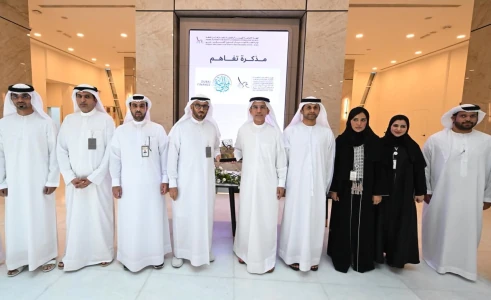
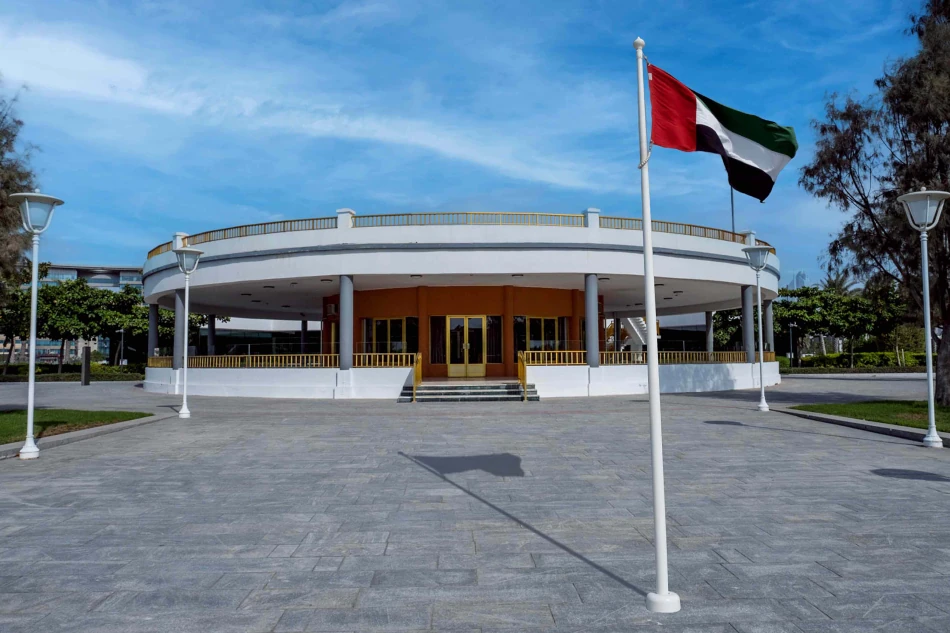
Dubai's historic Union House, the symbolic birthplace of the United Arab Emirates, has been officially inscribed in ALECSO's Registry of Arab Architectural and Urban Heritage. This recognition elevates the building where the UAE's founding fathers declared union in 1971 to the same prestigious status as iconic Arab landmarks, cementing Dubai's position as a cultural bridge between past and future.
A Monument to Nation-Building Joins Exclusive Heritage List
The inscription places Union House among just 19 Arab sites recognized by the Arab League Educational, Cultural and Scientific Organization (ALECSO) for their outstanding architectural and historical significance. This selective registry represents the cream of Arab architectural heritage, making the UAE's inclusion particularly meaningful for a nation celebrating just over five decades of existence.
Union House stands as more than just a building—it's the physical embodiment of the UAE's founding moment. On December 2, 1971, the structure witnessed the historic signing that transformed seven separate emirates into a unified federation, making it arguably the most politically significant building in modern Emirati history.
Dubai's Cultural Diplomacy Strategy Takes Center Stage
This heritage recognition aligns perfectly with Dubai's broader cultural positioning strategy. While the emirate is globally known for futuristic architecture like the Burj Khalifa and innovative urban planning, the Union House inscription demonstrates Dubai's commitment to preserving and promoting its foundational narrative.
The timing is particularly strategic. As regional competition intensifies between Gulf cultural hubs—with Saudi Arabia's Vision 2030 cultural initiatives and Qatar's post-World Cup cultural investments—the UAE is reinforcing its historical legitimacy and cultural depth beyond mere economic success.
Comparing Regional Heritage Preservation Efforts
The UAE's approach mirrors successful heritage preservation models seen elsewhere in the region. Similar to how Jordan has leveraged Petra's UNESCO status or how Egypt promotes its ancient monuments, the Emirates is systematically building its cultural soft power through international recognition of key historical sites.
However, the UAE faces a unique challenge: unlike countries with millennia-old heritage sites, it must establish the historical significance of relatively recent structures. The Union House inscription proves that architectural heritage value isn't solely determined by age, but by historical impact and cultural meaning.
What This Means for Cultural Tourism and National Identity
From an economic perspective, ALECSO recognition typically translates into increased cultural tourism and enhanced international prestige. For Dubai, already a global tourism powerhouse, this adds another layer to its appeal—particularly for Arab visitors seeking to connect with shared regional heritage.
The inscription also serves domestic purposes, reinforcing national identity among Emirati youth and expatriate residents. In a country where over 80% of residents are foreign nationals, such heritage recognition helps anchor the national narrative and cultural continuity.
The Broader Implications for Gulf Heritage Preservation
This achievement reflects the UAE Ministry of Culture's systematic approach to heritage preservation, working through the National Committee for Education, Culture and Sciences. The success suggests other Gulf nations may follow similar strategies, potentially leading to increased regional cooperation on heritage preservation initiatives.
For architectural historians and heritage specialists, Union House's recognition establishes an important precedent: that mid-20th century buildings of significant political importance can achieve the same heritage status as ancient monuments, expanding the definition of what constitutes "heritage" in the Arab world.