Honoring the Virtues: Cultivating a Culture of Respect
 Sara Khaled
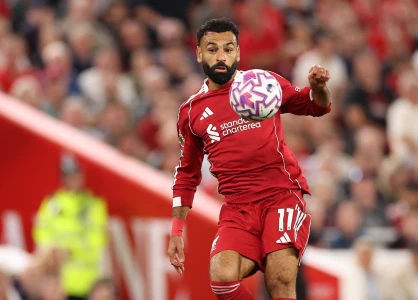
A player's agent arrived in the country after receiving an invitation from a football company to begin contract renewal negotiations, but the club's management has yet to schedule any meetings. The agent is now considering returning home, calling the situation disrespectful to both himself and his client.
The timing puts pressure on all parties involved. The player's current contract expires at the end of this season, which typically means negotiations should be well underway by now. Most clubs prefer to secure their key players months before contracts expire to avoid losing them on free transfers.
Here's where it gets interesting from a business perspective. When agents travel internationally for contract talks, it usually signals serious intent from both sides. The fact that a football company issued the invitation but the club hasn't followed through suggests internal communication issues or possibly a change in strategy.
For the player, this creates uncertainty during a crucial period. Players with expiring contracts have more bargaining power as the season progresses, but they also face the risk of being frozen out if negotiations turn sour. The agent's threat to leave sends a clear message that they won't accept being sidelined.
This situation reflects broader challenges in football negotiations, where multiple parties often have competing interests. Football companies, club management, agents, and players don't always align on timing or priorities, leading to these kinds of standoffs.