Haphazard Feeding of Stray Cats and Birds Fuels Pest Infestations: Experts Warn of the Consequences
 Sara Khaled
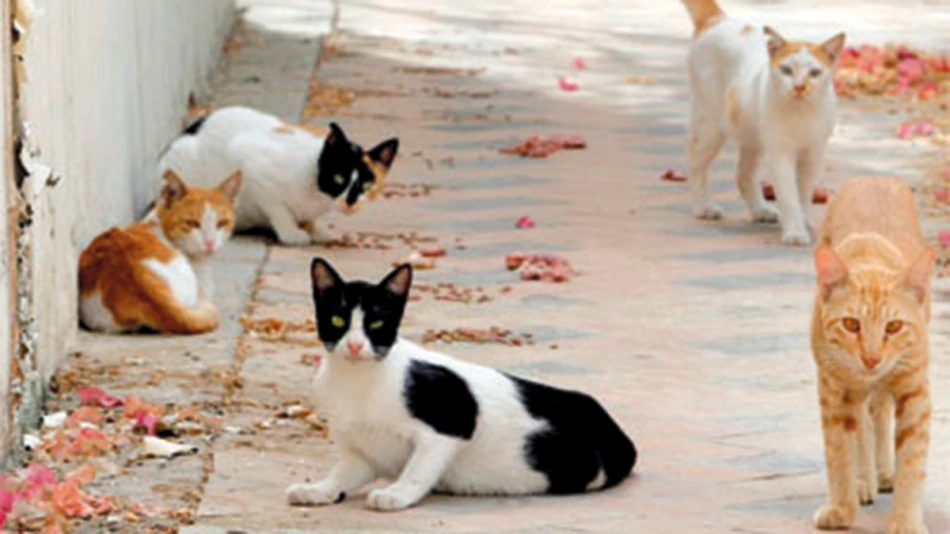
Random food scraps scattered on sidewalks and around buildings has become a growing problem across the UAE. While people claim they're feeding stray animals out of compassion, health experts and legal professionals say this practice creates serious environmental and health risks while dramatically increasing stray animal populations.
Residents and shop owners are filing complaints about the mess. They say animal compassion doesn't justify dumping leftover rice, chicken, fish, or dried pet food on streets and between buildings. The result? Swarms of insects, rats, foul smells, and bird droppings that stain building facades and parked cars.
Mohammed Al Mansoori, Issa Badr, Ahmed Khalaf, Maryam Sultan, and Yam Al Khalili - all residents of various buildings and villas - blame people who've become obsessed with this practice. Some even set up permanent plastic or wooden feeding stations, completely ignoring that they're breaking the law.
There are two types of feeders, residents explain. The first group puts out dry manufactured pet food. The second dumps actual food scraps - leftover rice, chicken, or fish - as if the street were their personal garbage bin. While dry food still increases cat populations, it causes less damage than rotting food scraps that attract insects and create terrible odors.
The feeding has led to permanent colonies of birds and cats in residential areas. More animals means more waste, higher disease transmission risks, worse smells, and more insects. Residents want authorities to impose serious fines on people who do this.
Some affected residents suggest creating designated feeding stations to control the chaos. These stations would require appropriate food types and encourage veterinary clinics to run community programs treating sick or injured cats before returning them to their environment after recovery. This approach would support organized animal welfare that keeps both humans and animals healthy while preserving the area's appearance.
Cultural and Religious Perspective
Dr. Saif Rashid Al Jabri, a professor of community culture at several UAE universities, points out that birds and other animals don't primarily depend on humans. Their creator provides for them, and they know instinctively how to manage their affairs.
He tells people who dump food scraps claiming religious merit: cleanliness is part of faith. Throwing large amounts of leftover food also indicates wasteful consumption beyond actual needs, which is religiously prohibited. People should prepare only what they need to preserve blessings.
While feeding cats counts as charity and animal kindness can lead to forgiveness of sins, Al Jabri says society needs awareness about civilized feeding methods. The concept should be "feeding with cleanliness and responsibility" to keep cities clean. Irresponsible feeding annoys residents, causes business losses, wastes government resources, and actually harms the cats and birds themselves.
The UAE's Religious Fatwa Council addressed this issue through its electronic fatwa service. They ruled that feeding stray cats and birds is religiously permissible but must comply with public order requirements and street cleanliness. There's no religious prohibition against giving food scraps to cats, but people must avoid polluting streets or spreading bad odors. The fundamental Islamic principle is "no harm and no reciprocal harm."
The council emphasized that the state makes enormous efforts to maintain street cleanliness, so everyone should appreciate and support these efforts as much as possible.
Serious Health Risks
Dr. Hala Abdel Karim, a family medicine consultant, calls street food dumping a practice that carries real health risks for the community. Food scraps attract insects and rodents while providing a permanent food source for stray animals, increasing the chances of infectious disease spread among families and communities.
Stray animals gathering around food scraps can carry dangerous diseases like rabies and various viral infections and parasites that transmit through contact or scratches. Stray cats commonly spread toxoplasmosis, a disease that can infect humans without them realizing it and remain dormant for years. While symptoms are mild for most people, it poses clear dangers to pregnant women, elderly people, children, and those with compromised immune systems.
The damage extends to skin problems too. Contact with animal gathering areas or waste can cause skin infections like ringworm, which appears as rashes, redness, and hair loss. Simple scratches from infected cats can cause bacterial infections leading to swelling at the scratch site, lymph node swelling, fever, and general fatigue.
Dr. Mai Mohammed, an obstetrics and gynecology specialist, warns about stray cat colonies that spread due to random feeding habits. When stray cats don't find food in their usual spots, they start rubbing against passersby or attacking them. Either way, people can get cat scratch disease - a type of bacteria that infects cats and can transmit to humans through scratches from infected cats or when open wounds contact their saliva.
Infected patients experience swelling or small raised bumps at the bite or scratch site. Nearby lymph nodes may swell, and patients might develop fever and muscle pain. Stray cats also pose risks for transmitting toxoplasmosis because they don't receive necessary vaccinations. This infection comes from a parasite that causes miscarriages in pregnant women and other damage in people with immune deficiencies.
Legal Consequences
Lawyer Hadiya Hammad confirms that dumping food scraps in streets to feed cats and birds violates UAE law. Feeding birds and cats without legal regulation damages public appearance and spreads insects, rodents, and diseases. Law No. 16 of 2007 regarding animal welfare explains how to feed animals safely and healthily while strictly prohibiting random feeding. Violators face fines.
Lawyer Salem Obaid Al Naqbi explains that feeding stray cats or animals in streets violates the law and carries a 200 dirham fine. In some areas and residential complexes, the fine increases to 500 dirhams. Municipalities justify this penalty because of public health dangers - feeding stray animals causes them to gather and multiply, contributing to disease spread.
From a legislative perspective, UAE animal welfare law sets regulations for animal care but requires animals to be under the care of a responsible person or entity, not stray animals roaming freely. Public cleanliness laws also consider dumping garbage and food scraps in streets a violation according to municipal standards.
Al Naqbi notes that many people feel compassion toward stray animals and want to help by providing food and water, especially in hot weather. But compassion alone isn't enough if it doesn't consider cleanliness, appropriate housing, and veterinary care. Otherwise, attempts to help become environmental and health problems.
Putting food scraps and scattering grain on sidewalks creates clear negative effects: permanent gatherings of dozens of cats and invasive birds in residential areas, causing disturbance and waste that produces odors and droppings that damage streets.
The solution is organized compassion through contacting specialized authorities, supporting sterilization and vaccination efforts, contributing to adoption programs, and maintaining community and environmental cleanliness to help animals while protecting humans and preserving the beauty of cities.