France Pledges Counterterrorism Support to Nigeria Amid Growing Threat
 Layla Al Mansoori
French President Emmanuel Macron announced Sunday that France will strengthen its partnership with Nigeria to tackle security challenges, particularly terrorist threats in the country's north. The move comes after a direct request from Nigerian President Bola Tinubu during a phone call between the two leaders.
Macron said on X that France will "strengthen our partnership with the authorities and our support for affected populations." He called on "all our partners to mobilize" but didn't specify what concrete actions Paris plans to take.
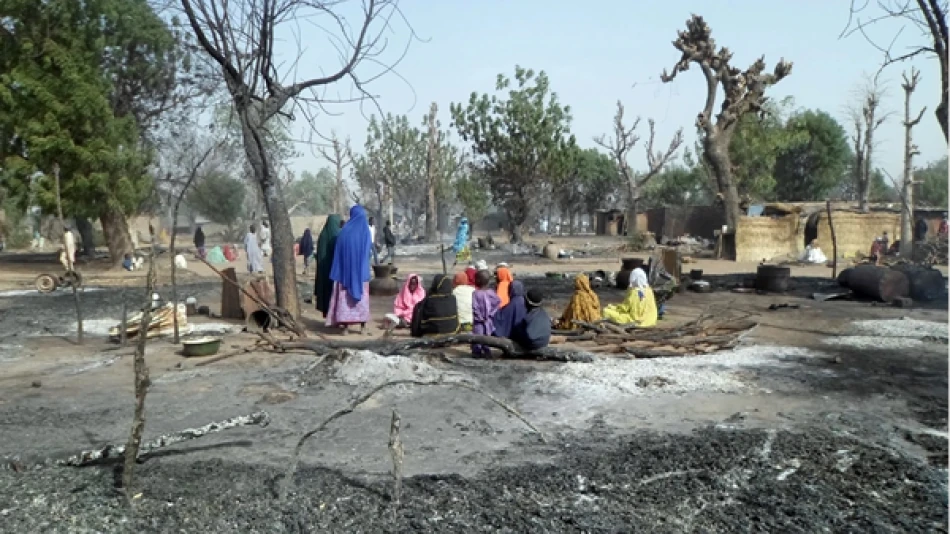
Nigeria faces a severe security crisis. Terrorist groups linked to ISIS and Al-Qaeda have killed more than 40,000 people and displaced over 2 million, according to UN figures. The violence has torn through Africa's most populous nation for years, creating one of the continent's worst humanitarian disasters.
But terrorism isn't Nigeria's only problem. Armed gangs have ramped up mass kidnappings across the northwest and central regions, targeting rural communities for ransom payments. These criminal groups have created a climate of fear that's paralyzed entire communities and disrupted daily life.
The escalating violence pushed President Tinubu to declare a national security emergency and boost security force numbers. But Nigeria's military has struggled to contain the multiple threats across the country's vast territory.
For France, this partnership represents a shift in its African strategy. After being pushed out of Mali, Burkina Faso, and Niger by military coups and anti-French sentiment, Paris is looking for new ways to maintain influence in the region. Nigeria offers a democratic partner with significant economic and strategic value.
The timing matters for both countries. Nigeria needs international support to tackle its security crisis, while France wants to rebuild its reputation in West Africa after recent setbacks. But the success of this partnership will depend on whether France can deliver meaningful security assistance without appearing to pursue its own interests first.