Former XAI CFO Joins OpenAI, Strengthening Leadership Team
 Omar Rahman
OpenAI Poaches Musk's Former xAI CFO in Latest Escalation of AI War
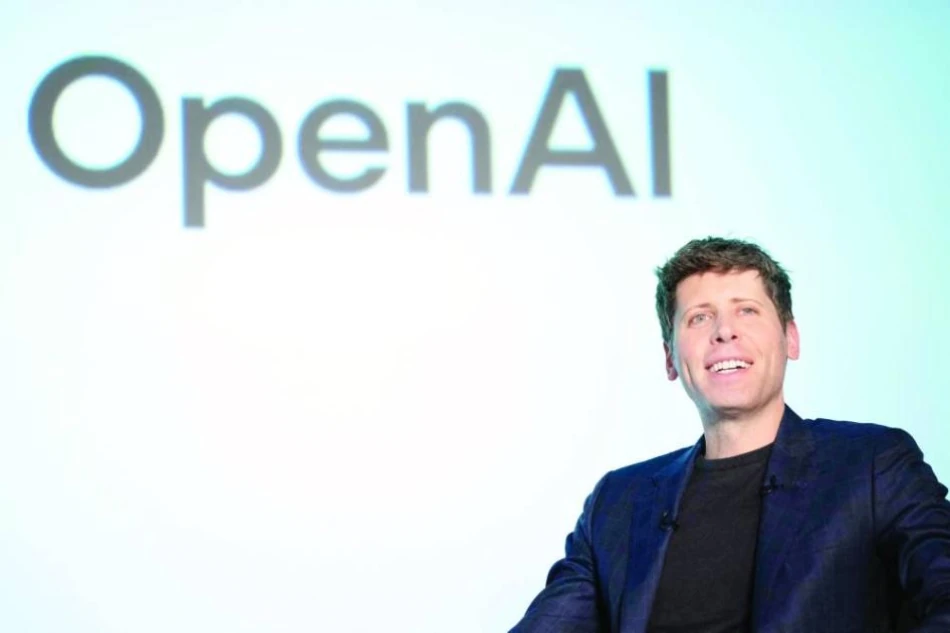
OpenAI has hired Mike Liberatore, who briefly served as CFO at Elon Musk's xAI, to oversee the company's massive infrastructure spending as commercial finance officer. The move represents another strategic blow in the intensifying rivalry between OpenAI CEO Sam Altman and Musk, transforming their former partnership into one of Silicon Valley's most high-profile feuds.
Strategic Hiring Amid Infrastructure Arms Race
Liberatore's appointment comes as OpenAI faces unprecedented capital demands for its AI infrastructure expansion. Having left xAI after just three months in July, he will report to CFO Sarah Friar and work alongside Greg Brockman's team managing contracts and capital allocation for OpenAI's computing strategy.
The timing is particularly significant given OpenAI's recent $500 billion valuation from investors, positioning the company to make aggressive infrastructure investments that smaller competitors like xAI may struggle to match. This hiring effectively depletes Musk's executive talent pool while strengthening OpenAI's financial operations team.
From Partners to Rivals: The Altman-Musk Divide
The personal dimension of this corporate move cannot be understated. Altman and Musk co-founded OpenAI in 2015 as a nonprofit research laboratory, united by shared concerns about AI safety and democratization. However, their relationship soured as OpenAI pivoted toward a commercial model with Microsoft's backing.
Musk's departure from OpenAI's board in 2018 marked the beginning of their public disagreements, which have since escalated into legal battles and competing visions for AI development. Musk launched xAI in 2023 as a direct competitor, positioning it as an alternative to what he views as OpenAI's compromised mission.
Market Implications and Competitive Dynamics
For investors, this executive shuffle signals OpenAI's confidence in its market position and willingness to engage in aggressive talent acquisition. The company's ability to attract executives from direct competitors suggests strong momentum, particularly as it prepares for potential public offerings or additional funding rounds.
The move also highlights the infrastructure-intensive nature of AI competition, where success increasingly depends on capital efficiency and operational expertise rather than just research breakthroughs. Companies like Anthropic, Google's DeepMind, and xAI must now compete not only for technical talent but also for the financial leadership necessary to scale operations.
Broader Industry Context
This hiring reflects broader consolidation trends in the AI sector, where well-funded leaders like OpenAI can leverage their resources to weaken competitors. Similar dynamics have played out in previous technology cycles, from the browser wars of the 1990s to the mobile platform battles of the 2010s.
The appointment underscores how AI development has evolved from academic research into a capital-intensive industrial competition, where financial management expertise becomes as crucial as technical innovation. OpenAI's strategy of strengthening its operational capabilities while disrupting competitors' leadership teams positions it well for the next phase of AI commercialization.