Extreme Cold Wave Sweeps Across the United States, Blanketing Vast Regions in Snow
 Layla Al Mansoori
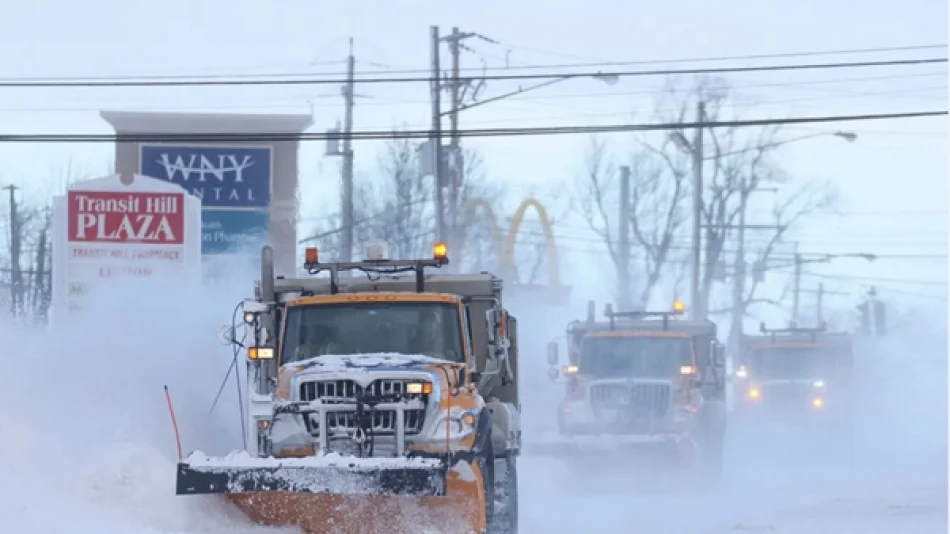
A massive cold wave has shattered temperature records across the southeastern United States, putting 18 million people under freeze warnings in Alabama, Florida, and Georgia. Meanwhile, snow is blanketing areas around the eastern Great Lakes as arctic air sweeps through two-thirds of the country.
The polar air mass moved east from the northern plains, where people dealt with bitter cold and snow over the weekend. For most of the Southeast, this meant a sudden shift to winter temperatures after reaching the 70s and 80s Fahrenheit just days before.
Some daily temperature records got completely destroyed, according to meteorologist Scott Kleebauer. Jacksonville's airport in Florida dropped to 28 degrees Fahrenheit, crushing the previous record low of 35 degrees set back in 1977.
The Southeast will face a few more days of colder-than-normal weather before temperatures start climbing later this week.
Florida is now dealing with what experts call "falling iguana warnings." These reptiles start freezing and dropping from trees when temperatures hit 40 degrees or below. Those temperatures were widespread across northern Florida.
A separate storm system will bring more snow on Wednesday. The National Weather Service expects 2 to 6 inches of snow in cities including Niagara Falls, Rochester, Buffalo, Syracuse, and Jamestown. For many areas, these are the first few inches of what's usually a season that brings around 100 inches or more by spring.
On the West Coast, an "atmospheric river" is targeting California with heavy rain and mountain snow later this week. This long stream of tropical moisture formed over the Pacific Ocean and will start soaking the San Francisco Bay area Wednesday before moving south quickly.
More than a foot of snow is forecast for parts of the Sierra Nevada mountains. About 2 million California residents face a slight risk of excessive rainfall Wednesday, but that warning expands to cover more than 21 million people by Thursday as the storm shifts south. Thursday's total includes Los Angeles, though the mountainous areas north and northwest of the city will likely see the worst conditions.