Experts Analyze the Outcomes of the Artificial Intelligence Dialogue at CSIS Trends Forum
 Layla Al Mansoori
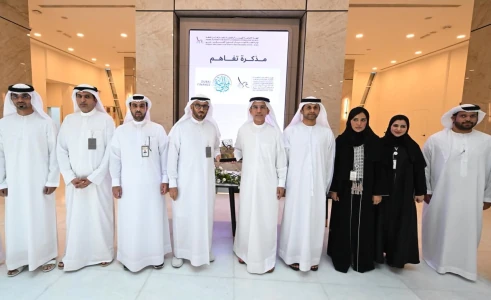
The Trends Research and Advisory Center in Abu Dhabi held a private meeting with senior officials from the Center for Strategic and International Studies (CSIS) to discuss research partnerships and plan the next phase of AI diplomacy dialogues between Middle Eastern and American think tanks.
The meeting came right after Trends wrapped up its second AI dialogue, titled "Technology Diplomacy in the Middle East and North Africa." The event brought together CSIS researchers with major tech players like Google and OpenAI, creating a rare forum for regional policymakers to engage directly with Silicon Valley.
Here's where it gets interesting: both sides agreed that AI has become a strategic pivot point that's reshaping global power dynamics. This isn't just academic talk. Countries across the Middle East are racing to build AI capabilities while navigating complex relationships with both American tech companies and Chinese alternatives.
The dialogue, organized with the Cyber Security Council, highlighted how quickly the region is moving on tech policy. Gulf states like the UAE are positioning themselves as AI hubs, but they need frameworks for everything from data governance to cross-border AI cooperation.
Three senior CSIS researchers attended the Abu Dhabi meeting: Mona Yacoubian, who directs the Middle East Program; Henrietta Levin, a senior fellow; and Will Todman, who heads geopolitical studies and serves as a senior fellow in the Middle East Program. Their presence signals serious American interest in the region's tech trajectory.
Both institutions are now planning a third dialogue in Washington next year. The goal is to bring together top American think tanks with their Middle Eastern counterparts for deeper discussions on AI governance and cyber security challenges.
For policymakers, this matters because AI regulation is still taking shape globally. The EU has its AI Act, China has its own approach, and the US is still figuring out its framework. Middle Eastern countries have a window to influence these standards rather than just adapt to them later.
The partnership also reflects broader geopolitical shifts. As US-China tech competition intensifies, American institutions are working more closely with regional partners to build alternative tech ecosystems and supply chains.