Dubai Electricity Showcases Sustainability Initiatives to German Delegation
 Layla Al Mansoori
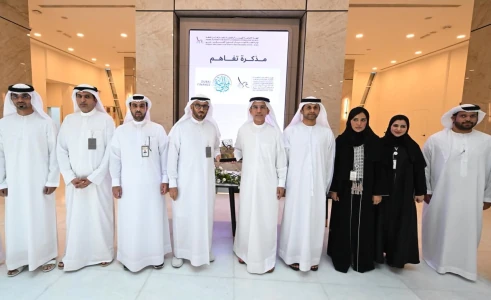
Dubai's electricity and water authority hosted a high-level German delegation to showcase the emirate's green hydrogen projects and renewable energy innovations. The visit highlights growing international interest in the UAE's clean energy transition and potential partnerships in hydrogen technology, which many see as crucial for future energy security.
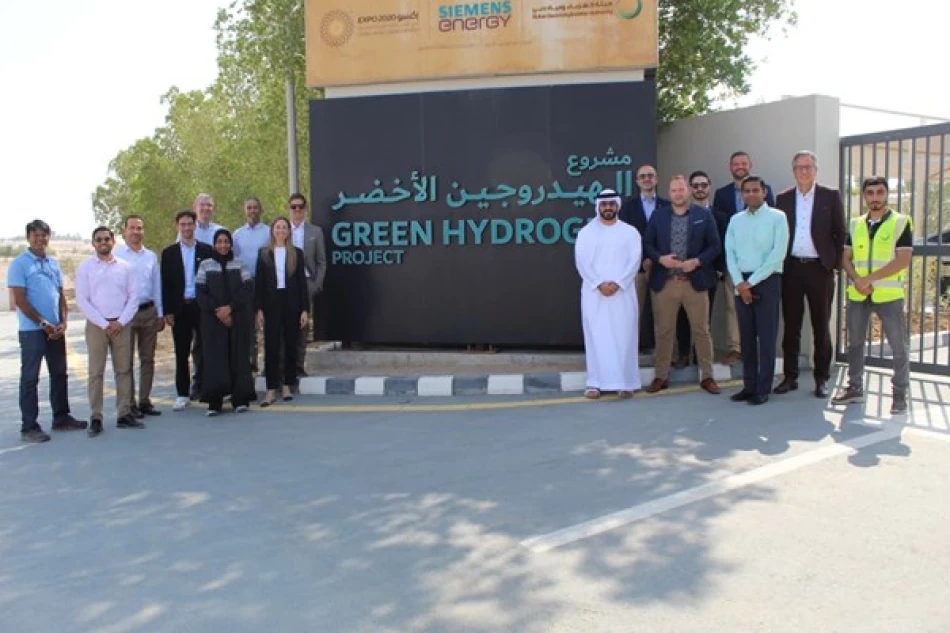
The German delegation was led by Marco Loretz, First Secretary for Economic and Cultural Affairs at the German Consulate in Dubai. The group included Karen Zengeral, head of the German-UAE Joint Chamber of Industry and Commerce office in Abu Dhabi, along with representatives from leading German companies in hydrogen and renewable energy sectors.
During the visit to Dubai Electricity and Water Authority's Research and Development Center, officials presented the center's key research papers published in international scientific conferences and peer-reviewed journals. They also showcased patents the center has secured across various fields, particularly in solar energy, smart grid integration, and energy and water efficiency.
The delegation got a close look at Dubai's green hydrogen project, the first of its kind in the Middle East and North Africa region. The facility produces hydrogen using solar energy and stands out for reducing carbon emissions while providing fuel for hydrogen vehicles. Officials explained how the plant was designed to handle future applications and serve as a testing platform for different hydrogen uses, including power generation and transportation across air, land, and sea sectors, plus industrial applications.
The visit included a stop at the authority's Sustainability and Innovation Center, which serves as a global hub for the latest clean and renewable energy innovations. Using metaverse technology, officials took the delegation on a virtual tour of the Mohammed bin Rashid Al Maktoum Solar Park, the world's largest solar complex built under an independent power producer model.
The timing of this visit matters for several reasons. Germany has been pushing hard to secure hydrogen partnerships as it moves away from Russian energy and accelerates its clean energy transition. The UAE, meanwhile, is positioning itself as a major hydrogen exporter, with plans to become one of the world's top three hydrogen producers by 2031.
For investors and energy companies, these partnerships signal real business opportunities. The hydrogen market is expected to grow substantially as countries seek alternatives to fossil fuels. Germany's industrial expertise combined with the UAE's solar resources and strategic location could create significant economic value for both sides.
The German delegation praised Dubai's efforts in driving innovations and investments that support energy transition and carbon neutrality. They emphasized the importance of strategic partnerships and joint projects, especially in hydrogen development, which they described as the fuel of the future and a promising alternative to traditional energy sources for ensuring energy and water security for everyone.