Discover the Heart of Emirati Volunteerism: Embracing Emergencies and Crises
 Layla Al Mansoori
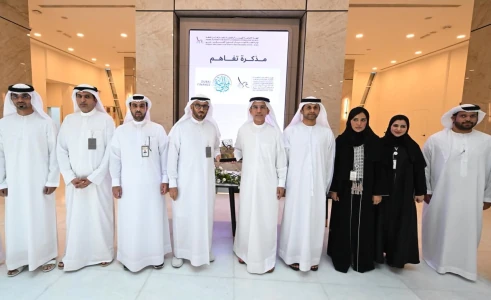
The UAE's National Emergency Crisis and Disasters Management Authority (NCEMA) is doubling down on volunteer programs as a core part of the country's emergency response strategy. The agency sees volunteers not just as helpers, but as essential partners in building community resilience and protecting national interests.
Ali Saeed Al Neyadi, NCEMA's chairman, marked International Volunteer Day on December 5 by highlighting how volunteering has become deeply embedded in Emirati culture. He traced this back to the country's founding principles and the legacy of Sheikh Zayed bin Sultan Al Nahyan, the UAE's founding father, who made humanitarian work a cornerstone of nation-building.
But here's where it gets interesting from a policy perspective. The UAE isn't treating volunteerism as just feel-good community service. NCEMA has launched a National Program for Building Specialized Volunteer Cadres that trains volunteers with specific knowledge and expertise. This creates a skilled volunteer workforce that can step in during emergencies and crises.
This approach reflects a broader trend in the Gulf region where governments are building more sophisticated civil defense systems. Countries like the UAE face unique challenges - from extreme weather events to their position as major international transit hubs. Having trained volunteer networks gives them additional capacity without the full cost of expanding government payrolls.
Al Neyadi emphasized that these volunteers represent both citizens and residents, showing how the UAE's large expatriate population is being integrated into national preparedness efforts. This matters because expats make up about 85% of the UAE's population, so any effective emergency response system needs their participation.
The timing of this announcement is notable. The UAE has been working to position itself as a regional leader in crisis management and disaster preparedness. Building robust volunteer networks strengthens that capability while also reinforcing social cohesion between different communities living in the country.
NCEMA's focus on "community preparedness volunteering" suggests they're moving beyond traditional emergency response toward a model where volunteers help build ongoing resilience. This could include everything from community education programs to early warning systems that rely on local knowledge and networks.