Diba Reinforces Squad with 26 New Signings to Secure Elite League Survival
 Sara Khaled
Dibba FC Faces Uphill Battle to Survive Sixth UAE Pro League Campaign
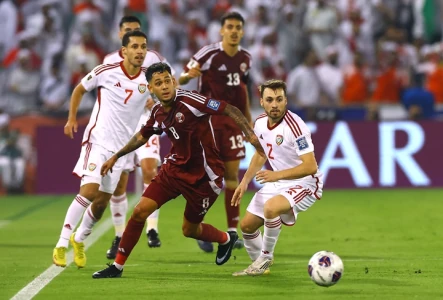
Dibba FC returns to the UAE Pro League for their sixth season with ambitious survival goals, but faces their toughest challenge yet as regional rivals have significantly strengthened their squads. The club, known as "Al Nawakhda" (The Sea Captains), has assembled 26 new players in what appears to be a desperate bid to avoid relegation in an increasingly competitive league.
A Club Built on Resilience
Dibba's recent history demonstrates both promise and fragility in UAE's top flight. During their second promotion to the Pro League, they managed four consecutive seasons from 2015 to 2019—a remarkable achievement for a club from the Northern Emirates. However, their current situation reflects the harsh realities facing smaller UAE clubs competing against better-funded rivals from major emirates.
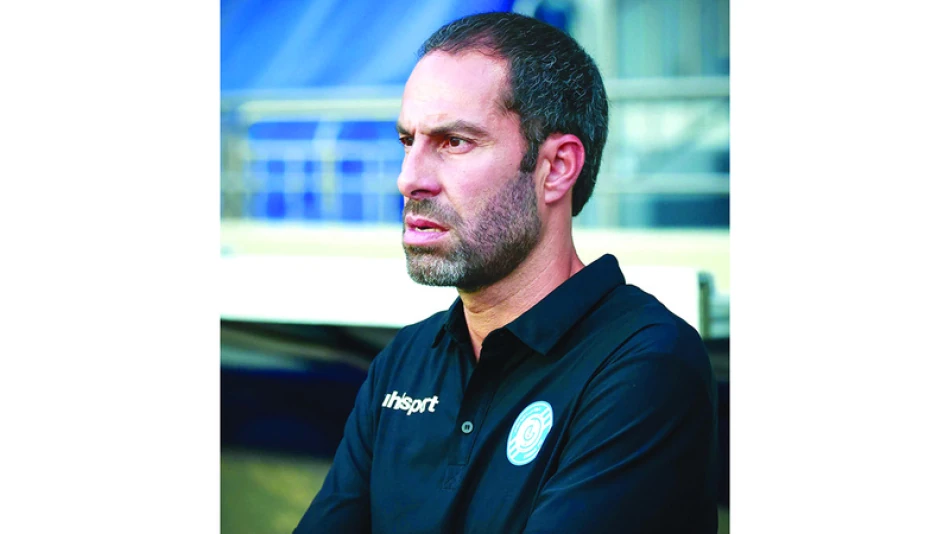
The club's survival strategy centers on Portuguese coach Bruno Pereira, who guided them through promotion in the final quarter of last season's First Division campaign. Pereira brings Pro League experience from his previous stint with Al Urubah, though that tenure offers mixed lessons about his ability to navigate top-flight pressures.
Asian Talent Pipeline Strategy
Dibba's recruitment approach reveals an interesting market positioning within UAE football's foreign player ecosystem. Rather than competing for established stars coveted by wealthier clubs, they've targeted emerging Asian talent and experienced players seeking career revival.
Key International Signings
The club's foreign contingent includes Jordan international midfielder Mahmoud Mardi, Iraqi league top scorer Muhannad Ali "Mimi," South Korean midfielder Takashi Oshino, and Uzbek player Abdullah Yayev. Brazilian Thiago Santos rounds out their international core—a diverse mix reflecting modern Gulf football's global recruitment networks.
This strategy mirrors approaches used by promoted clubs across various leagues, from England's Championship to Saudi Arabia's Pro League, where newly-promoted sides often rely on experienced foreign players to bridge the quality gap with established teams.
Domestic Foundation Under Pressure
Among Emirati players, Dibba has prioritized experience over youth development—a pragmatic approach for immediate survival. Goalkeeper Issa Al Houti brings Pro League experience from Kalba FC, while Mohammed Salem Al Ruwaihi, Ali Al Dhanhani, Rashid Mohammed, and Khalid Al Balushi provide domestic continuity.
This recruitment pattern suggests Dibba recognizes the UAE Pro League's evolution toward higher technical standards, driven partly by increased investment in clubs like Al Ain and Sharjah, and the league's growing regional ambitions.
Early Warning Signs
Pre-season results offer mixed signals about Dibba's readiness. Their Slovenia training camp produced modest results—two goalless draws and one victory—while recent domestic friendlies showed both promise (1-0 win over Al Bataeh) and concern (2-1 loss to Al Nasr).
More troubling is their fixture congestion early in the season. Opening matches against Sharjah and Al Ain—two of the league's strongest sides—followed immediately by crucial relegation battles against Al Dhafra and Kalba could determine their season's trajectory within the first month.
Market Reality Check
Dibba's situation reflects broader challenges facing smaller UAE clubs in an increasingly professionalized league. Unlike Qatar's successful model of heavily investing in all league clubs, or Saudi Arabia's recent massive spending spree, the UAE's development has been more uneven, creating significant resource gaps between top-tier and promoted clubs.
The club's massive squad overhaul—26 new players represents nearly complete roster turnover—suggests either ambitious planning or panic buying. Historical data from similar situations across Gulf leagues indicates that such extensive changes rarely produce immediate chemistry, often requiring half a season for tactical cohesion.
For Dibba FC, survival will depend less on individual talent than on how quickly Bruno Pereira can forge a cohesive unit from this diverse assembly. Their early fixture list leaves little margin for the typical adjustment period that newly-promoted sides usually require.