Crown Prince of Dubai Unveils Groundbreaking Vision for Citizen Housing Development
 Sara Khaled
Dubai's Crown Prince Sheikh Hamdan bin Mohammed bin Rashid Al Maktoum has approved a major overhaul of how the emirate develops housing areas for Emirati citizens, alongside a new digital resilience policy aimed at strengthening Dubai's position as a regional tech hub. The moves signal Dubai's continued push to balance rapid modernization with improving quality of life for its local population.
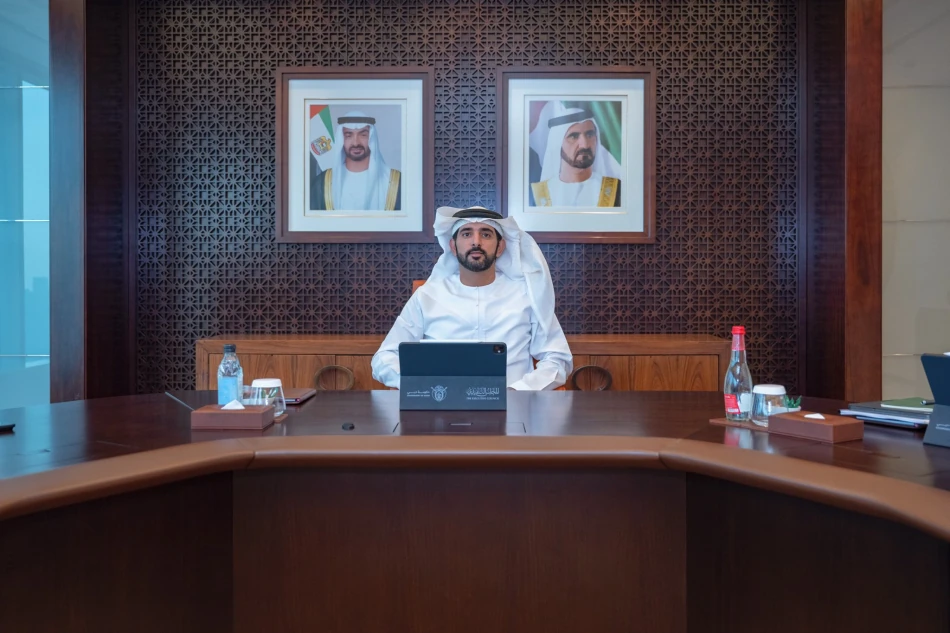
During an Executive Council meeting he chaired, Sheikh Hamdan endorsed what officials are calling a "new vision" for citizen housing zones. But this isn't just about building more homes. The plan focuses on creating what he described as "vibrant neighborhoods" packed with green spaces, community facilities, and comprehensive services.
The timing makes sense. Dubai has been racing to diversify its economy beyond oil and tourism, but local housing and quality of life remain key political priorities. The UAE has increasingly focused on retaining and attracting Emirati talent as competition for skilled workers intensifies across the Gulf region.
Sheikh Hamdan also announced the Executive Council's 2026 agenda, which he said reflects the priorities of Dubai Plan 2033. That long-term strategy covers both economic and social development goals, suggesting the government is trying to coordinate housing policy with broader growth targets.
The Crown Prince emphasized that instructions from his father, UAE Vice President Sheikh Mohammed bin Rashid Al Maktoum, are clear: citizen welfare comes first. "We want citizen housing areas to be neighborhoods full of life, rich with green spaces, community facilities, and comprehensive services that improve quality of life," he said on social media platform X.
The digital resilience policy represents another piece of Dubai's tech ambitions. The emirate has been positioning itself as a regional digital hub, competing with Saudi Arabia's NEOM project and other Gulf initiatives. Having a formal resilience framework could help attract international businesses worried about cybersecurity and digital infrastructure reliability.
For investors and developers, these policies suggest Dubai is doubling down on long-term planning rather than just pursuing quick wins. The focus on integrated community development could create opportunities in construction, property management, and urban services. But it also signals the government wants more control over how residential areas develop, which could mean tighter regulations for private developers.
The 2026 timeline gives the emirate roughly two years to implement these changes before they become part of the longer Dubai 2033 plan. That's ambitious, but Dubai has a track record of moving quickly on major infrastructure projects when leadership makes them a priority.