Conference Explores Blood Donation Readiness for Mass Casualties and Donor Databases
 Sara Khaled
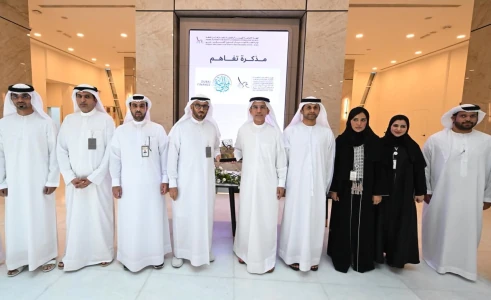
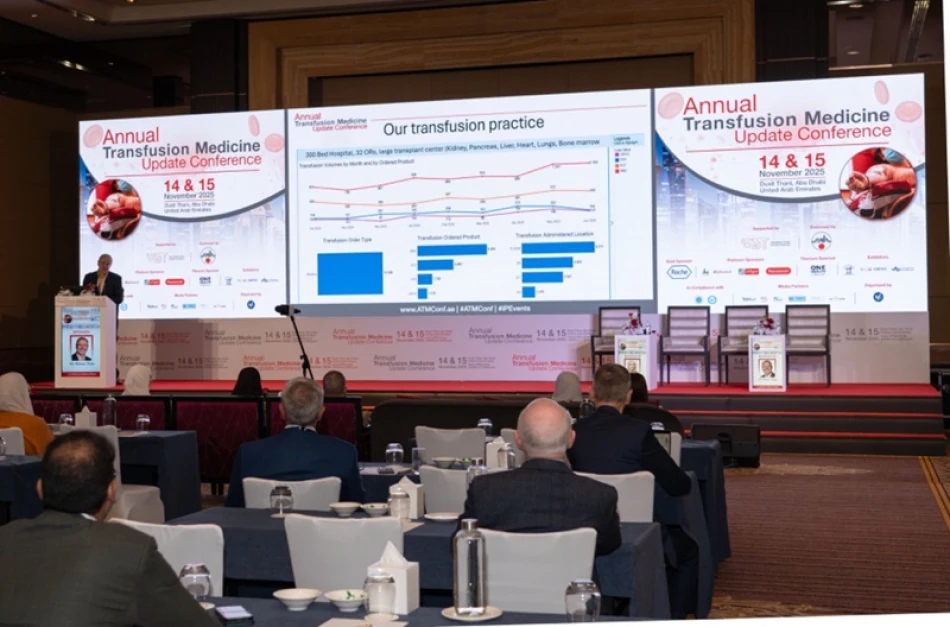
Medical experts from around the world wrapped up a major blood transfusion conference in Abu Dhabi yesterday, bringing together specialists from the US, Canada, Japan, and Gulf countries to share the latest advances in blood safety and digital healthcare solutions.
The conference focused heavily on how artificial intelligence and smart technologies are changing blood donation and transfusion practices. Participants pushed for more innovation in blood alternatives, digital tools that speed up emergency response times, and stronger international partnerships between hospitals and blood centers.
During the final day, doctors discussed new ways to make donated blood safer through better processing techniques. They also covered expanded infectious disease screening, including malaria testing, and updated treatment guidelines for patients with sickle cell disease and thalassemia. Emergency preparedness for mass casualty events and donor database management were also key topics.
Dr. Iman Al Zaabi, head of pathology and laboratory medicine at Sheikh Shakhbout Medical City and conference chair, said the timing was perfect given the rapid changes happening in blood transfusion technology. The event gave medical professionals a chance to see how AI can improve healthcare quality and patient experience.
Dubai's blood donation center showcased two digital platforms that are already making a difference. The "Dami" mobile app lets donors read guidelines, complete a 43-question screening survey, check their donation history, and schedule future appointments. This cuts down waiting times at donation centers and reduces medical errors while giving staff more time for technical work.
Dr. Mai Yassin Raouf, a pathology consultant and director of Dubai's blood donation center, explained how their "Wateen" electronic platform connects the center with 47 private hospitals and 6 government hospitals across Dubai Health. The system processes all blood requests digitally, making the whole process faster and more accurate than the old paper-based method.
The conference earned accreditation from several major medical organizations, including the European Accreditation Council for Continuing Medical Education and the International Society of Blood Transfusion Academy. This recognition matters because it means the training and knowledge shared here meets global medical education standards.
These digital advances come at a crucial time. Blood centers worldwide face ongoing challenges with supply shortages and the need for faster emergency response. The UAE's investment in smart healthcare technology positions it well to become a regional leader in blood safety and efficiency.