Canada Cosies Up to China Amid Trump's Trade War
 Sara Khaled
Canada and China are rebuilding their relationship after years of tension, driven partly by Trump's trade war with America's northern neighbor. The shift marks a dramatic change from 2018, when diplomatic relations collapsed over the arrest of Chinese tech executive Meng Wanzhou and China's detention of two Canadians in retaliation.
The relationship hit rock bottom in 2018 when Canadian police arrested Meng Wanzhou, a Chinese tech executive, in Vancouver on US fraud charges. Days later, Beijing detained two Canadians - Michael Kovrig and Michael Spavor - on espionage charges that Canada called "fabricated." The two Canadians were released after nearly three years when the US dropped its extradition request for Meng.
But things started changing last month. Canada's top diplomat, Anita Anand, visited Beijing to meet her Chinese counterpart Wang Yi. Then Canadian Prime Minister Mark Carney met Chinese President Xi Jinping at an Asia-Pacific economic summit in South Korea - the first meeting between the two countries' leaders in eight years.
This meeting became a "turning point" for both nations. They pledged to improve relations and boost trade cooperation, according to a Canadian statement. Carney plans to visit Xi in China, and the talks were followed by more ministerial visits and high-level phone calls. China even added Canada back to its approved travel list for tourist groups, which should help boost tourism.
The economic incentives are clear for both sides. Last year, Canada imposed a 100% tariff on Chinese electric vehicles, working with the US to protect its domestic market from what it called unfair competition from state-backed Chinese automakers. China hit back with retaliatory tariffs on Canadian agricultural products, including a 100% tax on canola oil and meal. In August, China added a 75.8% tariff on canola seeds, effectively shutting down Canada's second-largest market for this crop and hurting Canadian farmers.
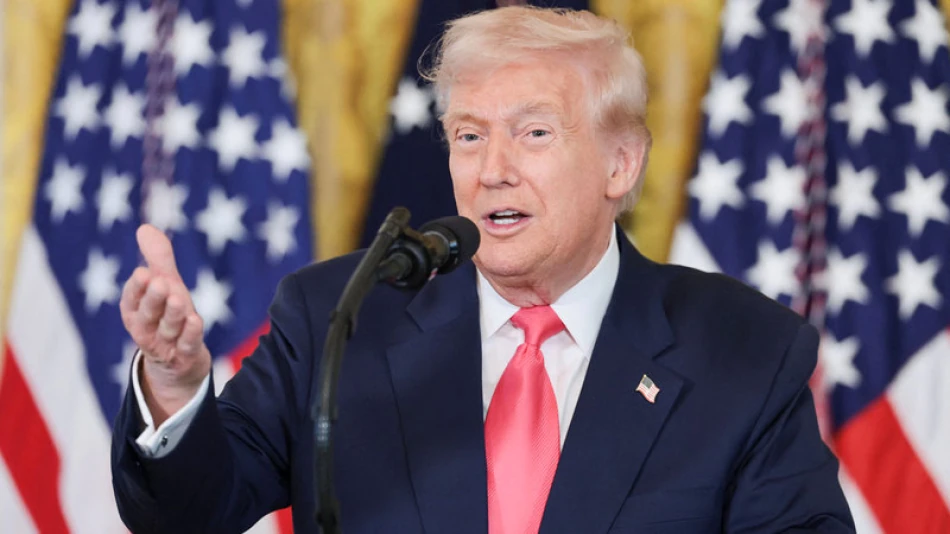
Meanwhile, the US has ramped up its economic war on its northern neighbor. Trade talks between Trump and Carney were making some progress when Trump suddenly stopped the discussions last month after a controversial anti-tariff announcement from Ontario's government.
With the US emerging as Canada's biggest economic threat, Canada can't afford trade wars with the world's two largest economies. This makes China look more attractive as a partner.
"What we've seen so far is an expression of different intentions toward China, and an intention to fundamentally reconsider our relationship with it," said Lynette Ong, director of the China Governance Lab at the University of Toronto's Munk School of Global Affairs. "This is a major shift driven by necessity."
Public opinion seems to agree. Recent polls show Canadians are more likely to see the US as a threat (46%) compared to China (34%). Still, most Canadians view China negatively.
But some experts warn that China might exploit Canada during this vulnerable moment. Michael Kovrig, who returned to his work as a senior advisor at the Crisis Group after his release from Chinese detention, said: "China wants to drive a big wedge between Canada and the United States. The last thing China wants is a unified and strong Western world that would constrain Chinese ambitions globally."
Since Trump returned to the White House, China has taken "a more conciliatory and flexible approach to its foreign policy," according to Brian Wong, an assistant professor at the University of Hong Kong. Chinese officials are building goodwill among old US partners and allies who might feel alienated by Washington's unpredictable moves.
Wong added that Beijing has been watching developments between Ottawa and Washington closely and realizes the hostility between the old economic partners might be more than just a surface disagreement.
Some experts see opportunities for Canada to reconnect with China, while others urge caution. Ong suggests Canada could serve as a "middle ground" between the US and China, taking advantage of its geographic position.
Kovrig noted that Xi's public embrace of Carney will send a message throughout the Chinese bureaucracy that it's okay to resume business dealings with Canada. But any cooperation will come with conditions. "China tries to link access to senior leaders and political cooperation to respect for what China calls its core interests, including Taiwan," Kovrig said. China will also try to silence any criticism from Canada about its human rights record.
The situation creates a delicate balancing act for Ottawa. Getting too close to Beijing risks further alienating Washington. But as one expert put it: "If you stop recognizing your economic relationships with your closest neighbors and trading partners, don't be surprised if those neighbors start trading and making deals with your main geopolitical rival."