Assailant Injured in Washington Attack; Trump Calls Incident 'Terrorism'
 Sara Khaled
President Donald Trump labeled Wednesday's shooting of National Guard members in Washington D.C. as a terrorist attack and ordered 500 additional Guard troops to deploy in the capital. The incident has reignited debates over immigration vetting procedures and national security, particularly regarding Afghan evacuees who entered the U.S. during the 2021 withdrawal.
A gunman opened fire on American National Guard personnel near the White House on Wednesday, seriously wounding two service members in what authorities described as an ambush-style attack. The shooter was also injured during the incident.
U.S. media identified the gunman as Rahman Allah Lakanwal, a 29-year-old Afghan citizen who entered the United States in 2021. This detail has become central to Trump's response, as it coincides with the chaotic U.S. withdrawal from Afghanistan that year.
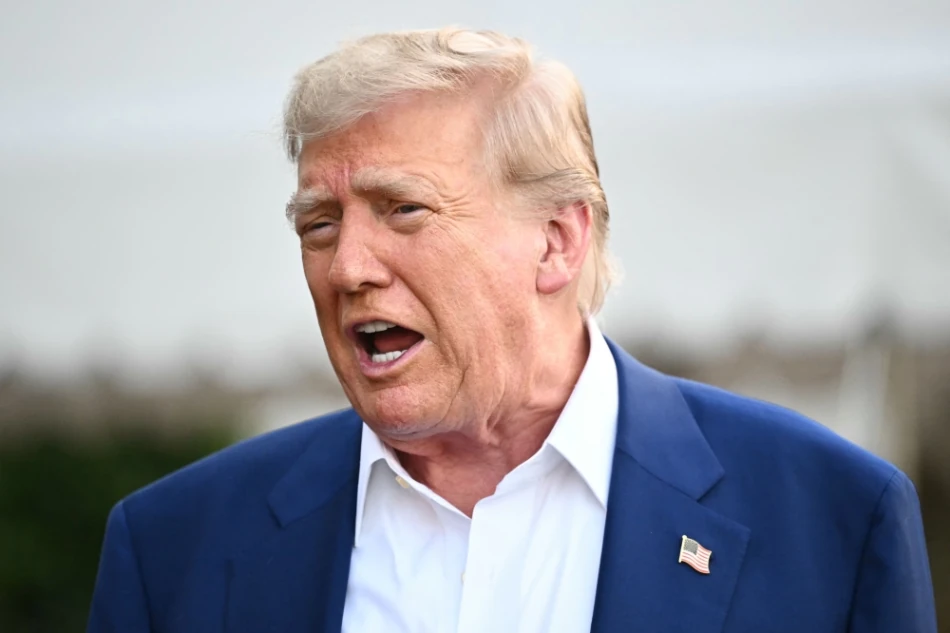
Trump called for a comprehensive review of all foreign nationals who entered the U.S. from Afghanistan during Joe Biden's presidency. "The shooting attack targeting National Guard members was a terrorist act and a crime against humanity," Trump said. "We will ensure justice is served for the perpetrator of the Washington attack."
The president characterized the assault as the biggest national security threat facing the country. He described it as "a heinous terrorist act and a crime against our entire nation."
Trump also took aim at immigration policies under the previous administration, claiming it allowed "20 million unknown foreigners from various parts of the world to enter without proper vetting." This figure appears to reference broader immigration numbers rather than specifically Afghan evacuees.
"We will not tolerate these kinds of attacks on law and order from people who shouldn't be in our country," Trump stated. "America will not surrender in the face of terrorism and we will not allow ourselves to be deterred from the mission our service members were nobly performing."
The attack comes at a time when immigration policy remains a contentious political issue. The 2021 Afghan evacuation brought roughly 76,000 Afghans to the U.S., most of whom worked alongside American forces or faced Taliban persecution. The vetting process for these evacuees has been a subject of ongoing political debate.
For security agencies, this incident raises questions about screening procedures and long-term monitoring of evacuees. The deployment of additional National Guard troops suggests authorities are treating this as more than an isolated incident, though specific threat assessments haven't been made public.