Abu Dhabi Sorbonne Wraps Up Ocean Year Initiative
 Omar Rahman
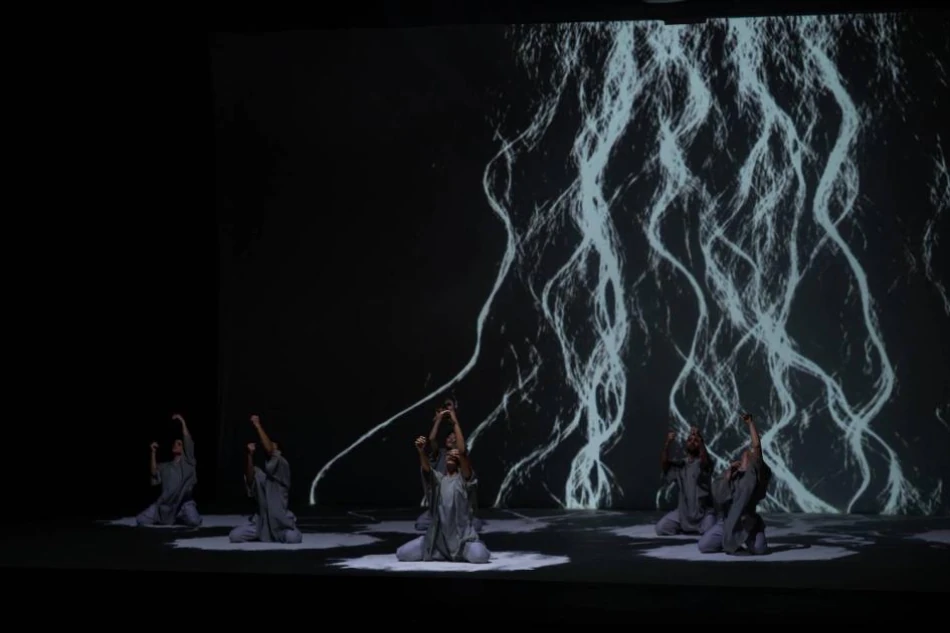
Sorbonne University Abu Dhabi wrapped up its Year of the Ocean initiative with a dance performance called "Noon" at Zayed Theatre. The show brought together art and science to highlight humanity's connection to marine environments, marking the end of a year-long program that combined research expeditions, public exhibitions, and international conferences focused on ocean conservation.
Choreographer Alaa Kreimid designed the exclusive performance for the university, with the Sima Dance Theatre Company bringing it to life. More than 200 guests watched as dancers moved through scenes representing birth, vulnerability, and renewal - mirroring the ebb and flow of ocean tides and human life cycles.
The title "Noon" draws from ancient cultures where this concept represented the primordial ocean. The performance used movement, rhythm, and visual storytelling to explore how human experiences parallel the ocean's natural patterns.
The university launched its Year of the Ocean initiative in early 2025, supported by its Ocean Institute established during COP28. Throughout the year, researchers conducted marine expeditions in Abu Dhabi waters using environmental DNA techniques and advanced acoustic technology. They also assessed mangrove ecosystem health - critical work given these coastal forests protect shorelines and support marine biodiversity.
But the program went beyond pure research. The university organized public exhibitions like "Ocean of Plankton" and "Earth's Echoes," plus scientific conferences that brought together international experts. One major event was the "Future of Oceans" symposium, held with the Asia-Pacific Centre for Environmental Law at the National University of Singapore.
Students played a central role too. They participated in discussions and workshops at the 2025 World Conservation Congress, organized by the International Union for Conservation of Nature. This student involvement reflects a broader trend where universities are engaging younger generations directly in environmental challenges rather than keeping research confined to academic circles.
Professor Nathalie Martial-Braz, the university's director, explained that the "Noon" performance capped off efforts to build deeper understanding of marine environments through a combination of art, science, and community engagement. This approach matters because ocean conservation requires both technical solutions and cultural shifts in how people relate to marine ecosystems.
The initiative comes as the UAE positions itself as a regional leader in environmental research and policy. The country's investment in marine science reflects broader economic interests - healthy oceans support fishing industries, tourism, and coastal development that drives much of the Gulf region's diversification away from oil dependence.