Abu Dhabi Launches Fintech and InsureTech Hub, Driving Financial Innovation
 Omar Rahman
Abu Dhabi just launched a major financial technology hub that could add $15.2 billion to its economy by 2045. The Financial Technology, Insurance and Digital and Alternative Assets Complex (FIDA) aims to create 8,000 jobs and attract $4.6 billion in investments over the next two decades.
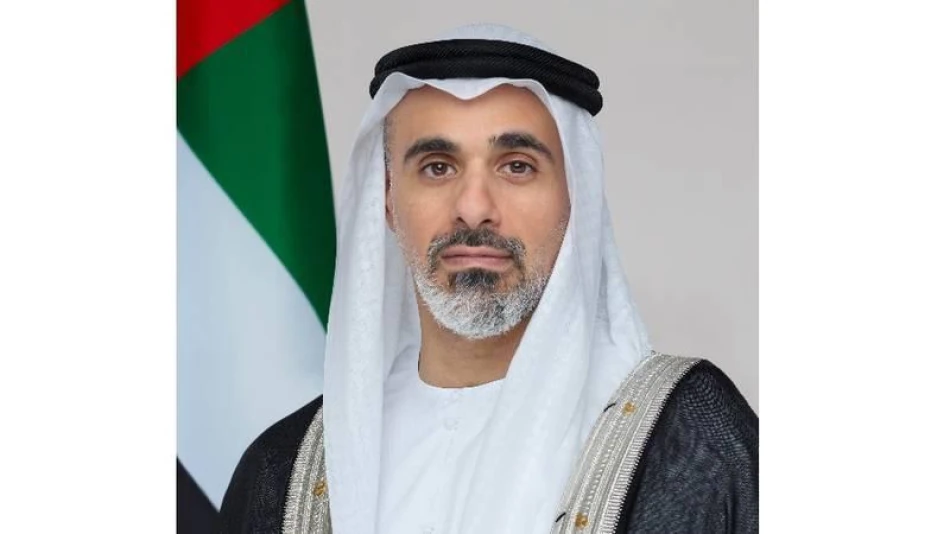
Sheikh Khaled bin Mohamed bin Zayed Al Nahyan, Crown Prince of Abu Dhabi, approved the launch during Abu Dhabi Financial Week 2025. The complex will focus on developing next-generation financial and investment solutions using artificial intelligence and modern technology.
The timing makes sense. Abu Dhabi already manages over $1.8 trillion through sovereign wealth funds and has built world-class regulatory frameworks. Now it wants to become a global center for fintech innovation, not just traditional finance.
Here's what makes this interesting: FIDA isn't just another tech park. It's designed to support Abu Dhabi's other major economic clusters, including food security (AGWA), healthcare (HELM), and smart vehicles (SAVI). This creates a connected ecosystem where fintech solutions can directly serve real economic needs.
The complex will tackle several key areas. Digital assets infrastructure comes first, with platforms that meet international regulatory standards. Sustainable finance follows, supporting Abu Dhabi's climate neutrality goals through green financing tools. The hub will also expand alternative lending options for small and medium businesses, which make up 42% of the emirate's non-oil GDP.
Insurance and reinsurance capabilities get a boost too. Abu Dhabi wants to become a regional risk management center while offering protected savings solutions for UAE citizens and residents. Long-term retirement planning frameworks are part of the package.
The partnership structure covers all bases. Regulatory oversight comes from the Ministry of Finance, UAE Central Bank, Abu Dhabi Global Market, and Securities and Commodities Authority. Funding partners include the Khalifa Fund for Enterprise Development plus several sovereign wealth funds and family offices.
For infrastructure, Abu Dhabi Retirement Fund, Al Etihad Payments, and other local entities will provide advanced payment, pension, credit, and insurance solutions. Research and development gets handled by HUB71, Khalifa University, UAE University, and other academic institutions.
The economic stakes are significant. Abu Dhabi sits at the crossroads of Europe, Asia, and Africa with extensive trade agreements and double taxation treaties. Companies operating through FIDA will have direct access to major global markets.
But here's the real test: can Abu Dhabi compete with established fintech hubs like Singapore, London, or New York? The emirate has capital and regulatory support, but it needs to attract top talent and innovative companies. The success of existing initiatives like HUB71, which has already drawn hundreds of startups, suggests the foundation is solid.
The complex also addresses a practical need. As Abu Dhabi diversifies away from oil, it needs sophisticated financial tools to support new industries. FIDA creates that infrastructure while positioning the emirate as a fintech pioneer rather than just following trends set elsewhere.