Abu Dhabi Judiciary Expands Amicable Dispute Resolution, Registers 40 Private Mediators
 Sara Khaled
Abu Dhabi Judiciary Expands Alternative Dispute Resolution with 40 New Private Mediators
Abu Dhabi's judiciary has registered 40 new private mediators for civil and commercial dispute resolution, marking a significant expansion of the emirate's alternative dispute resolution infrastructure. This move reflects the UAE's broader strategy to reduce court backlogs while positioning itself as a regional arbitration and mediation hub that can compete with established centers like Singapore and London.
Strategic Push Beyond Traditional Court Systems
The Expert Affairs, Conciliators and Mediators Committee at Abu Dhabi's Department of Justice approved the registrations following successful completion of training programs at the Abu Dhabi Judicial Academy. The initiative forms part of a comprehensive system to develop amicable dispute resolution mechanisms and support qualified national professionals in mediation practice.
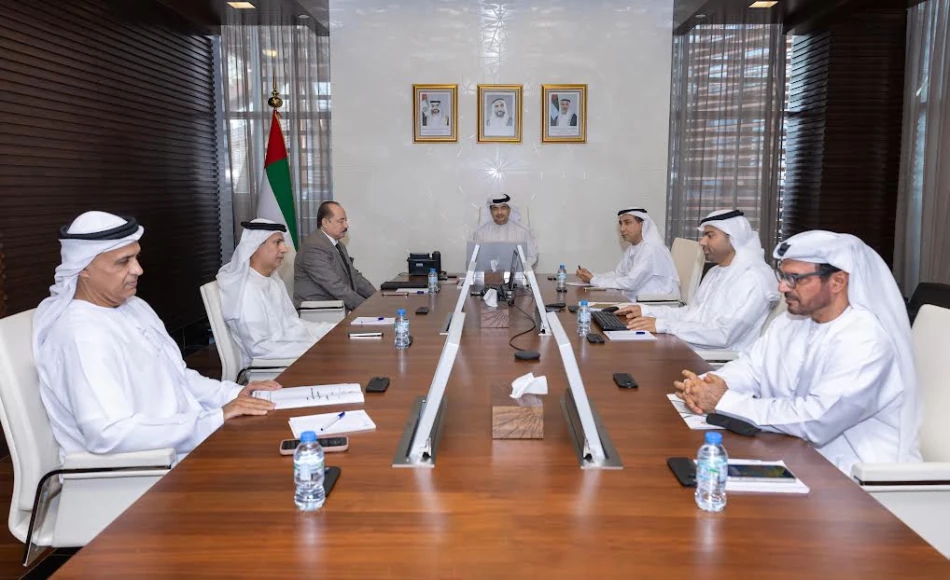
During the committee meeting chaired by Counselor Youssef Saeed Al Abri, Undersecretary of the Department of Justice in Abu Dhabi, officials also approved five new experts in engineering, accounting, information technology, and gold jewelry sectors, alongside reviewing three applications for expert re-registration.
Strict Professional Standards Mirror Global Best Practices
The registration requirements demonstrate Abu Dhabi's commitment to maintaining international mediation standards. UAE nationals receive priority, though foreign professionals with at least four years of local experience in reconciliation or dispute resolution can qualify—a pragmatic approach that balances localization with expertise needs.
Core Requirements Include:
Candidates must possess full legal capacity, demonstrate good conduct and character, and have no final convictions for crimes involving honor or trust violations. Educational requirements mandate bachelor's degrees in law, Sharia and law, or equivalent specialized qualifications from recognized institutions. Applicants must also complete approved training courses and interviews while maintaining reputations for integrity, neutrality, and trustworthiness.
Business-Friendly Infrastructure Development
The private mediation system extends beyond individual mediators to institutional frameworks. Companies and sole proprietorships can obtain licenses to conduct mediation activities in the emirate, provided they maintain proper facilities equipped with necessary infrastructure and demonstrate technical capacity for dispute management.
Licensed law firms, legal consultancy companies, and expertise centers can conduct mediation sessions at their premises after meeting regulatory requirements. Licensed lawyers can add mediation activities to their commercial licenses upon completing necessary prerequisites—creating multiple pathways for professional expansion.
Regional Competition and Market Implications
This expansion positions Abu Dhabi to capture more of the Middle East's growing dispute resolution market, particularly as regional trade volumes increase and cross-border commercial relationships become more complex. Singapore's success as an Asian arbitration hub demonstrates how strategic investment in alternative dispute resolution can generate significant economic returns through legal services exports.
For businesses operating in the UAE, the expanded mediation infrastructure offers faster, more cost-effective alternatives to traditional litigation. This particularly benefits sectors like construction, oil and gas, and financial services, where complex commercial disputes can tie up resources for years in conventional court proceedings.
Digital Integration and Accessibility
The Department of Justice has streamlined application processes through digital platforms, allowing prospective mediators and institutions to access approved forms online, complete electronic submissions, and submit required documentation to the Mediation and Conciliation Center for committee review.
This digital approach aligns with the UAE's broader smart government initiatives and makes the registration process more accessible to qualified professionals across the emirates, potentially accelerating the growth of the mediation sector.